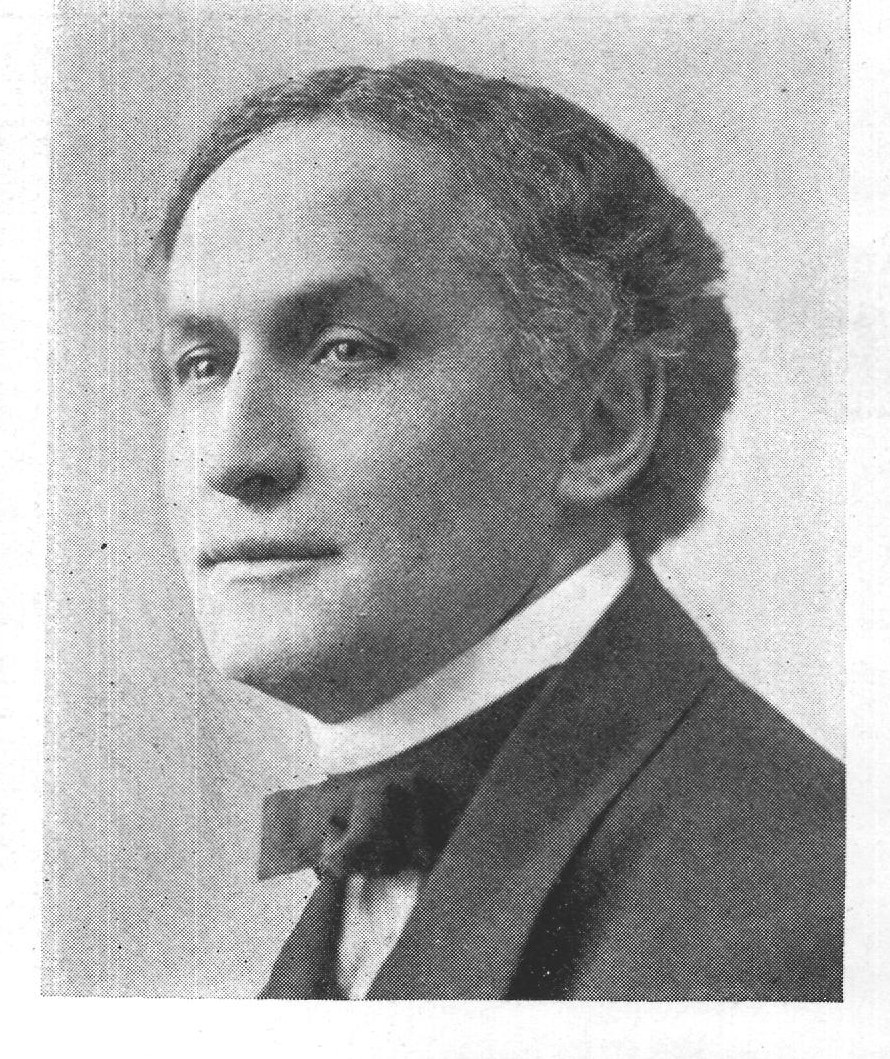
Harry Houdini

BREAD-AND-BUTTER CUSTARD
Three large pieces white bread-buttered. Cut in quarters, and line an enamel pie dish with same.
Prepare custard of two eggs, one cup granulated sugar, one quart sweet milk.
Pour custard over bread and butter, and bake it in moderate oven forty-five minutes.
I happen to have a weakness for sweets, and this one you will not find in any other cook book, Sincerely yours, Harry Houdini
A plain baked bread custard from Celebrated Actor Folks' Cookeries, written down as loosely as most contributor recipes of the period. Two things need attention before you start: the egg-to-milk ratio is low, and the sugar is high.
- Moderate ovenSet the oven to 350F. Forty-five minutes at that heat is about right for a shallow enamel pie dish; a deeper dish will want an hour or more.
- Sweet milkThis means ordinary fresh milk, as opposed to soured or buttermilk, which were both kitchen staples in 1916. Use whole milk.
- The custard will be softTwo eggs to a quart of milk is a thin ratio — roughly half what a modern baked custard uses. Expect something closer to a soaked, spoonable pudding than a sliceable one. Three or four eggs gives a set that holds its shape.
- A cup of sugar is a lotThat is around 200g to a quart, sweeter than most palates now want in a milk custard. Half to two-thirds of a cup reads as sweet without masking the egg and butter.
- Enamel pie dishEnamelled steel was the cheap, light bakeware of the day. Any ceramic or glass dish of about 9 inches works; metal conducts faster, so check earlier if you use it.
- Water bathNot in the original, but a roasting pan of hot water round the dish keeps the edges from weeping and curdling while the middle sets. Worth doing with a ratio this lean.
- DonenessThe custard is done when the outer two inches are set and the centre still wobbles as a single mass. It firms as it cools; baked until firm all through, it will be grainy.
- Bread and yieldThree large slices of soft white bread, buttered and quartered, will roughly line a 9-inch dish. Serves four to six, warm or cold.
Bread-and-butter pudding is one of the oldest English thrift dishes to survive into print — versions using stale bread, butter, milk and eggs appear in eighteenth-century household books, and by the nineteenth century it was common nursery and boarding-house fare on both sides of the Atlantic. Houdini's claim that the recipe appears in no other cookbook is showmanship rather than fact. The choice of a cheap, homely sweet over anything grand is in keeping with these celebrity contributor volumes, which traded on names rather than culinary authority.