Henry Leone
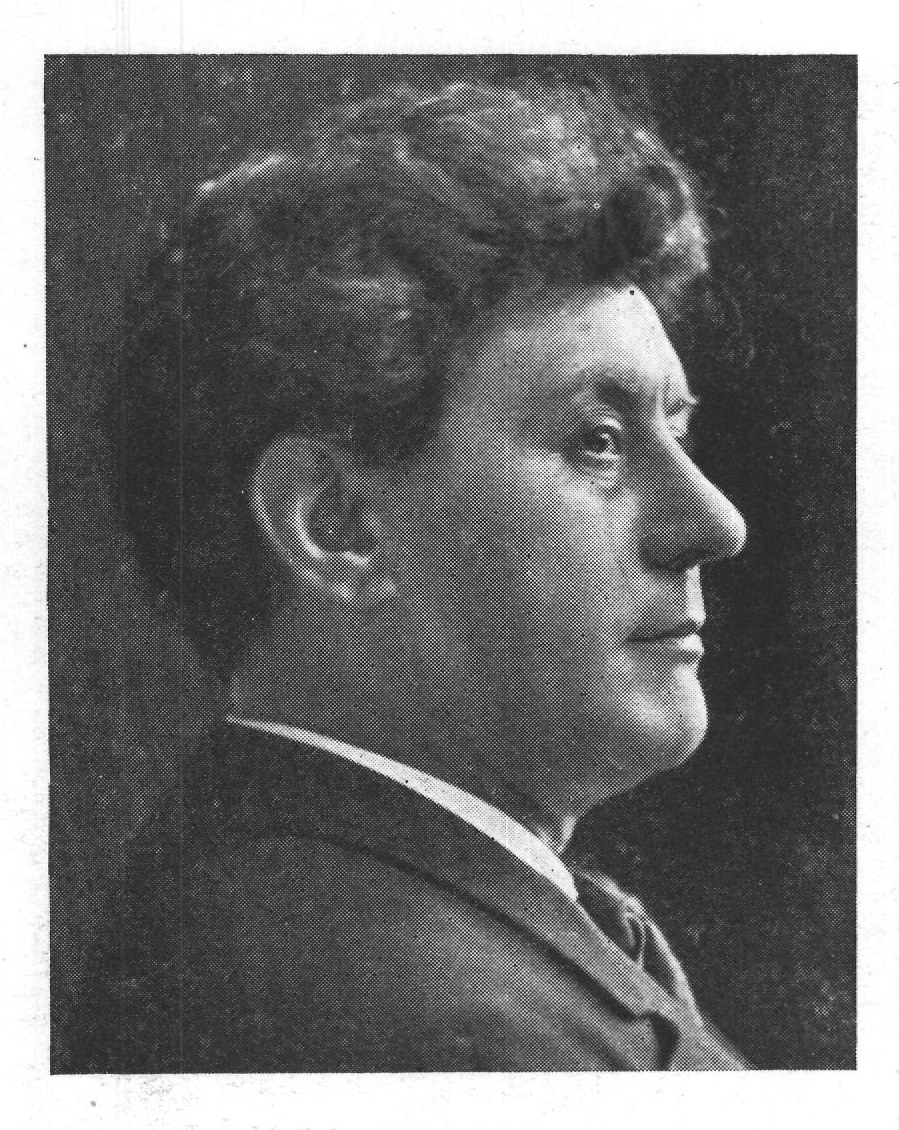
SPAGHETTI A LA LEONE
Four pounds of upper round, cut thick, and well larded with long thin slices of salt pork and garlic. Brown the beef in large pot with a good-sized piece of butter. When the meat is well browned, add half a dozen medium-sized onions, chopped fine. When onions also are browned, add slowly a glassful of claret, about a tablespoonful at a time, now add a good portion of parsley, a pinch of thyme and about one-quarter pound of fresh Season well with salt, pepper and mushrooms, all chopped fine. paprika. Now put two cans of seedless tomatoes on the fire to boil. Stir the meat ten or fifteen minutes over a medium fire, and add the boiling tomatoes. Let this simmer slowly for about five hours, and you have a fine spaghetti sauce.
Now take two pounds of imported paste either spaghetti or spaghetini, cover with boiling salt water (use plenty of water). Cook until soft-not too soft to be correct. When done, drain and turn into a saucepan, cover with meat sauce and stir gently over a slow fire for five minutes, to allow the paste to absorb the gravy. Save out a good portion of the sauce to serve at the table over the spaghetti and the meat. Turn into a deep platter, pour over the top some more gravy and sprinkle on the top of all a good handful of grated parmesan cheese. This will furnish a liberal spaghetti dinner for six persons. Henry Leong